
When I started hiking and pursuing the outdoors seriously, I googled “outdoor survival kit” to find out what I should have in my own kit. Stunned, I found my results page polluted with advertisements and blogs with titles like “Survival Kits for your Dad, Husband, and Boyfriend–How to Pick!,” “Manly Outdoors Emergency Kits for Real Wilderness Men,” and my personal favorite, “Man Cave Survival Kit.” Seriously, who needs a survival kit for their beer-stained man cave?
Men do not have a monopoly on the outdoors. However, a lot of the messaging on outdoors gear excludes women. For this Wine Hiking Society blog post, I combined my military training, various wilderness first aid classes, and first-hand experience in the backcountry to devise a non-comprehensive list of essential items I take with me on every hike.
Creating the Emergency Survival Kit

Here’s what you’ll need to start piecing together your emergency survival kit.
The Carrying Case
For the casing of your hiking emergency survival kit, you will want something small, compact, and light that you can easily fit into any backpack. I personally use the OR Backcountry Organizer for my kit, but there are lots of options out there!
The Basics
A lot of these basics can double as survival/first aid. These are the items I find myself constantly using during hiking/camping/backpacking trips and are generally smart to have!
Firestarter kit
-
- 2x waterproof match packs (put these in two different locations–one in the kit and one either on you or in your backpack)
- A small tin (Altoids tin size) of cotton balls covered in Vaseline as a reliable fuel to start a fire even in cold / wet environments. The Vaseline doubles as an emergency lip balm if needed! Using this firestarter saves a lot of time and headache when you don’t have any dry kindling and it’s cold and wet and you just want to feel your fingers again.
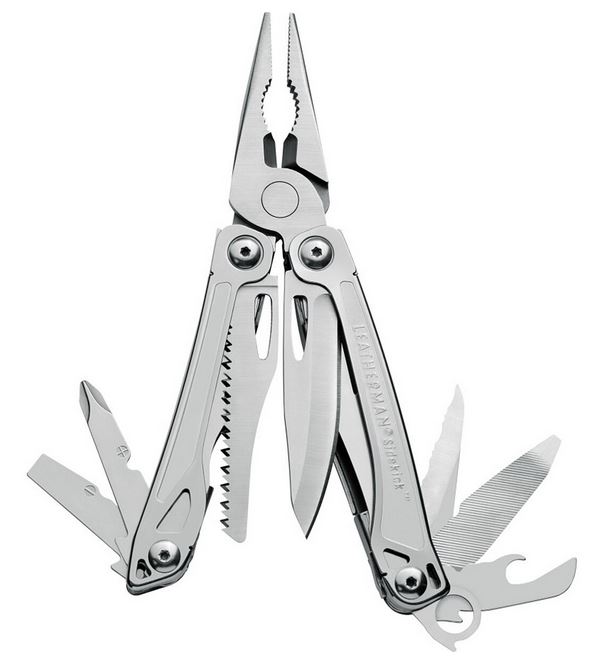
Multi-tool
- I personally prefer Leatherman due to the quality, but I understand it can be a bit of an investment. My favorite tool is the Leatherman Wave, which has multiple knives, a saw, tweezers, and more. However, my multi-tool is one thing I always use every time I go into the wilderness, no matter how glamping or otherwise my outing is. Tick? Tweezers. S’mores stick? Saw. Beer? Beer opener.
100ft 550 Cord
- You NEVER know when you will need this cord. It’s a thin, lightweight, and strong rope used traditionally in parachutes. In a survival/emergency situation, it can be used as anything from a tourniquet to a backpack strap to helping you make an emergency shelter. You can also purchase it as a bracelet. I once used 550 cord to tie a knife to the end of a stick to spearfish, but that’s a story for another day.
Pedialyte Powder Packs
- In the military, it was ritual to chug a bottle of Pedialyte prior to any extreme physical event or after any drunken night–all for the same purpose: electrolytes and hydration. Nothing, not even Gatorade, beats Pedialyte in replenishing the body’s electrolytes and aiding in the retention of water. Whenever I am hiking, I keep a spare Pedialyte Powder Packs or two in my kit to add to my water bottle in the event I’m feeling dehydrated (either from the hike or the wine).
Extra Headlamp / Batteries
- You should always have a headlamp on you when hiking, but I like to keep a backup one just in case. I recommend a lower-end Black Diamond headlamp as your backup. It’s great quality and will serve its purpose as an emergency lamp. There have been at least two times when my short, 4-hour hike turned into a 10-hour plus affair and my extra headlamp saved my ankles, if not my life.
Emergency Survival Kit First Aid
There are a ton of great wilderness first aid kits on the market, but if you’re like me, you get annoyed at
a) The price and
b) How many useless items are in the kit (do I really need 8 different types of band-aids for a 2-day hike?).
To cut costs, I usually buy the bulk-sized refills for first aid kits off of Amazon and fill my kit with the bare essentials. I separate the essentials into 3 categories: medications, bandages, and wound cleaning.
Medications (2 single-use tablets of each):
- Ibuprofen
- Acetaminophen
- Benadryl
- Antihistamine
Bandages:
- 1xAce bandage (2-4” thick)
- 4x butterfly bandage
- 8x small band-aid (for blisters and small cuts)
- 1x roll gauze (2-3” thick)
- 1 roll medical tape (¼ – 1” thick)
- 2xFirst Aid/Burn Cream Packet
- 2xNeosporin Ointment
- 2xAntiseptic towelette
Extreme Emergency Items
The last part of my kit consists of items used only for extreme emergency situations. We don’t like to think we’ll ever use these things, but if we ever need to, they can save your life.
Space Blanket: If you’re like me, you’ve lost about 10 of these throughout various camping trips. Thus, I usually buy these items in bulk as well! In the colder months, I’ll carry two on me just in case.
Water purification tablets: Even if you’re going for a day hike where you don’t expect to need a water filtration system, I recommend carrying purification tablets for worst case scenario situations. Blogs highly recommend these tablets as the best choice! They purify questionable water in 35 minutes and are super small and lightweight.
Fishing Line/Hooks: Again, worst case scenario– however, it weighs close to nothing, and the fishing-line can be used for other purposes as well!
As helpful as this list maybe, remember, there is no substitute for training. Check our calendar for educational opportunities. Remember, have fun outdoors, but be safe!

One thought on “A Wine Hiker’s Emergency Survival Kit for the Outdoors”
Leave a Reply
You must be logged in to post a comment.
The last emergency situation I was in on a hike I found the space blanket to be a life saver – it kept me warm on a mountain for hours! Also, a whistle is something I always keep in my emergency kit as search and rescue can hear that much better than shouting.